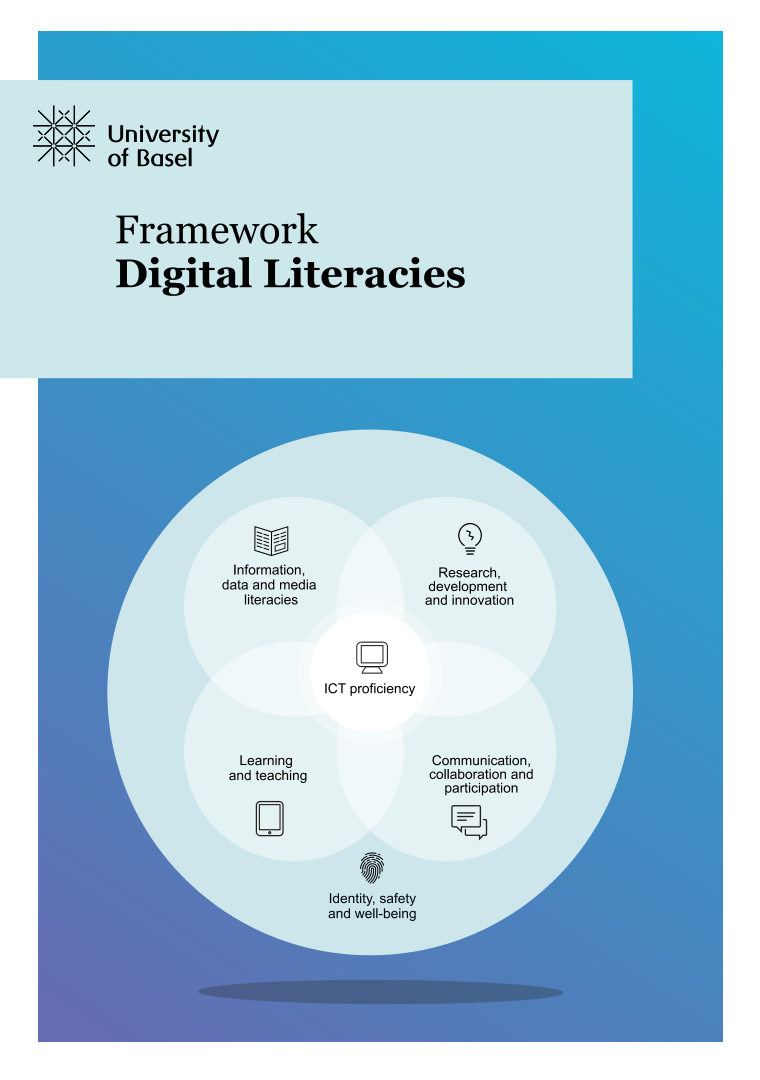
Literacy area 6
Identity, safety and well-being
The number of human activities that rely on digital technology has grown exponentially. The increasing miniaturization of computers, the sinking costs of technology and the simplification of human-computer interaction have made digital devices accessible to all. Furthermore, mobile internet access has become ubiquitous in many countries across the globe.
In order to spread and exchange information over the internet, and in order to access services on the world-wide web, an identification of some kind (“log in”) is in most cases necessary. The multiplication of accounts transforms the proper management of one’s own access credentials into a crucial issue. Moreover, many web platforms offer the possibility to diffuse and store information about one’s own person. This information is collected in individual, sometimes publicly accessible profiles.
The consequence of these transformations is that individual online presence has become a central feature of the age of digital multimedia. Moreover, people increasingly expect from others permanent availability and connectedness, which can be both an increased opportunity for exchange and a cause of distraction.
Being literate in the area of digital identity, safety and well-being means being aware of the benefits and risks that online presence and digital participation entail for identity, reputation, privacy, health, well-being and sustainability, both at the individual and at the collective level.
The issues of identity, safety well-being are transversal to all areas of the digital transformation.
Concretely, literacy in digital identity and safety means the capacity to:
- act safely in digital environments by keeping one’s personal credentials, data and identity under control
- understand and avoid AI-related safety issues (impersonation, AI-assisted phishing, etc.)
- act responsibly and ethically in digital environments by reviewing the impact of one’s online activity on others
- develop and project, when so desired, a positive digital identity or identities (individual or collective) across a range of platforms by collating and curating online personal materials.
Literacy in digital well-being, health and environmental issues means the capacity to:
- protect and develop personal health, social relationships and work-life balance in digital settings, in particular by managing digital workload, overload and distraction
- use digital tools to pursue personal goals (e. g. health and fitness) and to participate in social and community activities
- assess the ways in which digital tools and services, including generative AI, can both support additional needs and have negative impacts around equity, diversity and inclusion
- act with concern for the human and natural environment when using digital tools.